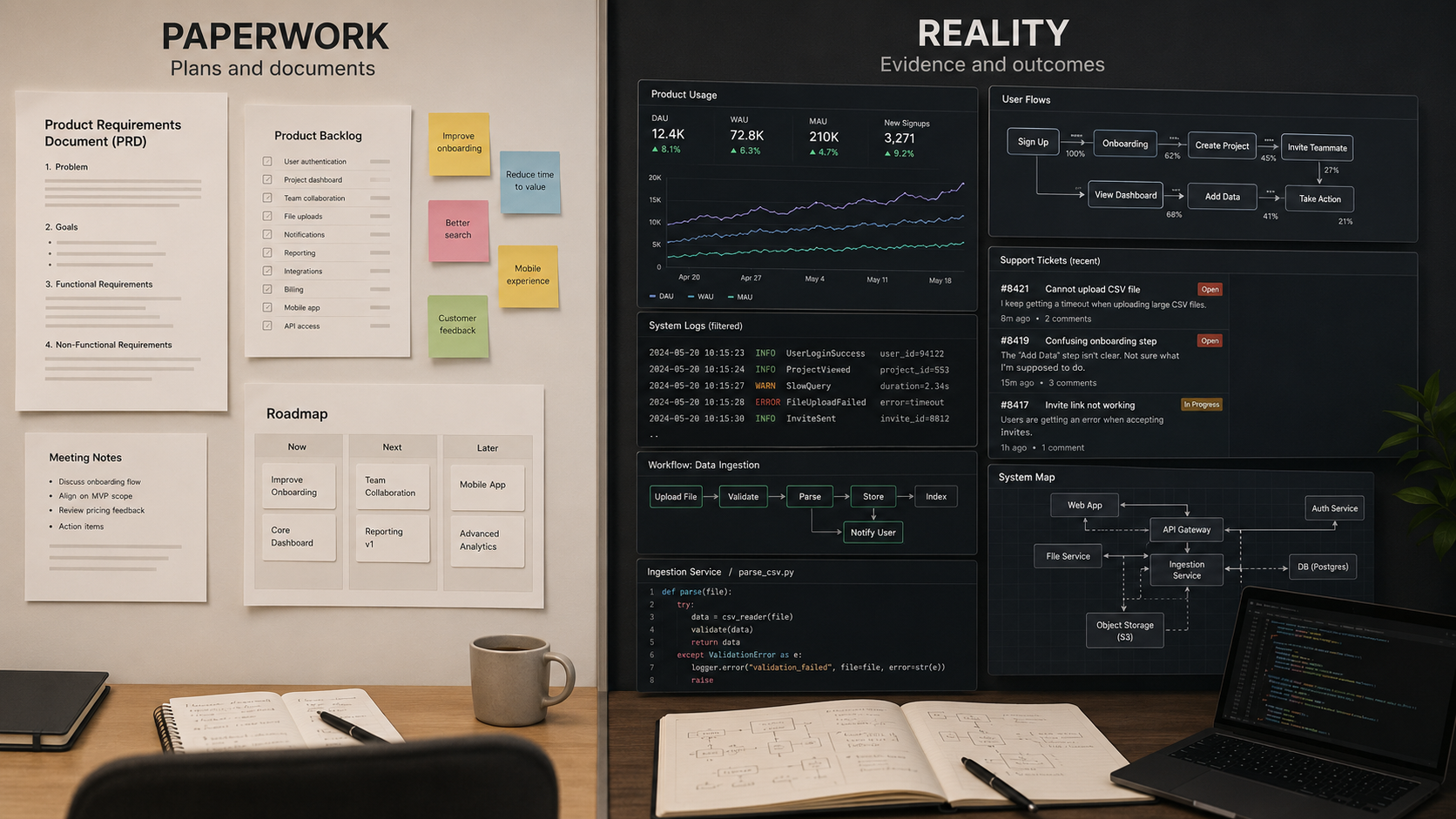
How AI Is Changing Product Management
Most takes on AI and product management are about faster output. The bigger shift is cheaper understanding, and it changes the job.
15 articles tagged with "AI Adoption"
Most takes on AI and product management are about faster output. The bigger shift is cheaper understanding, and it changes the job.
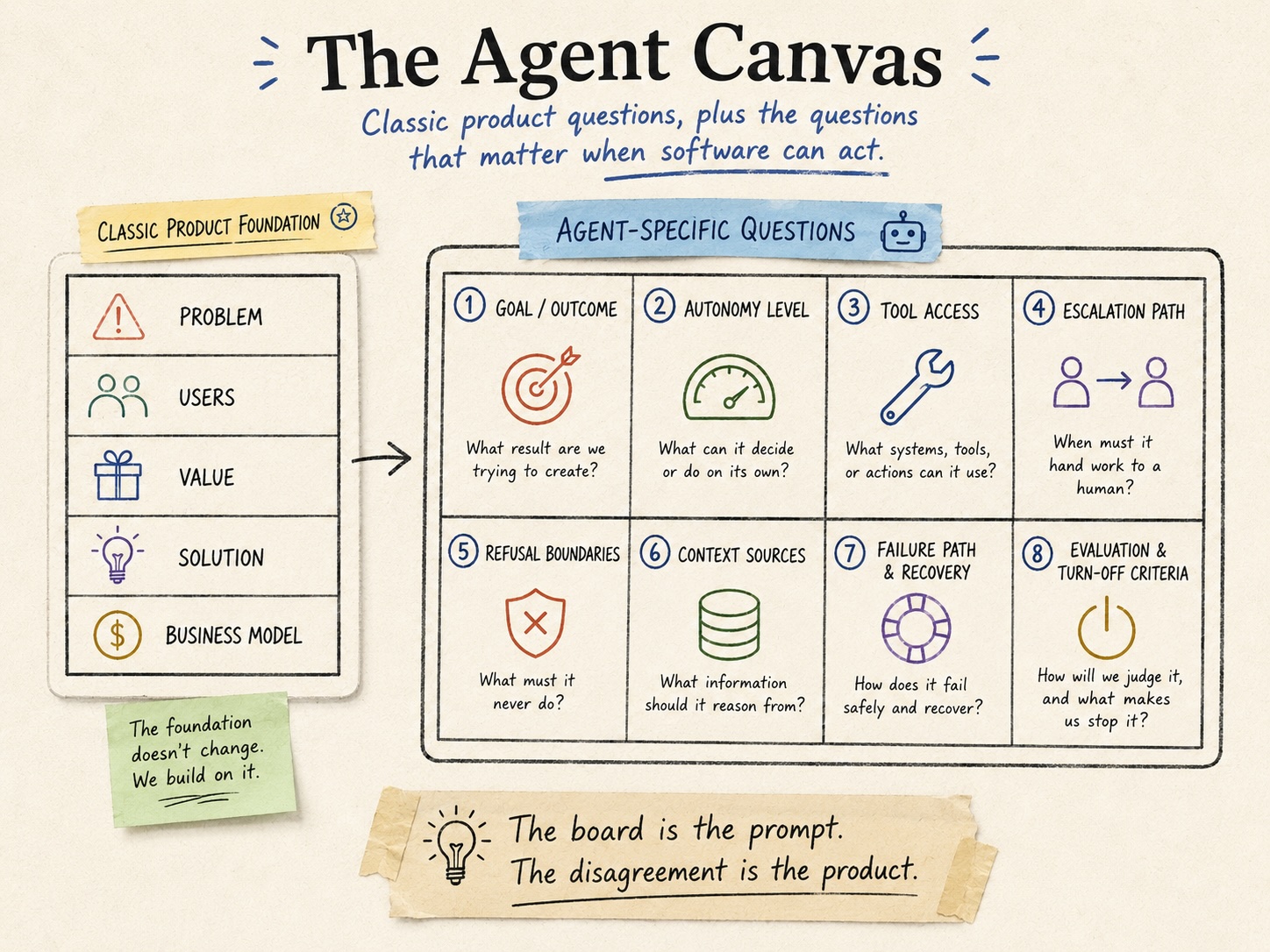
The pre-build conversation matters more for agents. Eight agent-specific canvas boxes, a worked example, and where teams fill them in wrong.
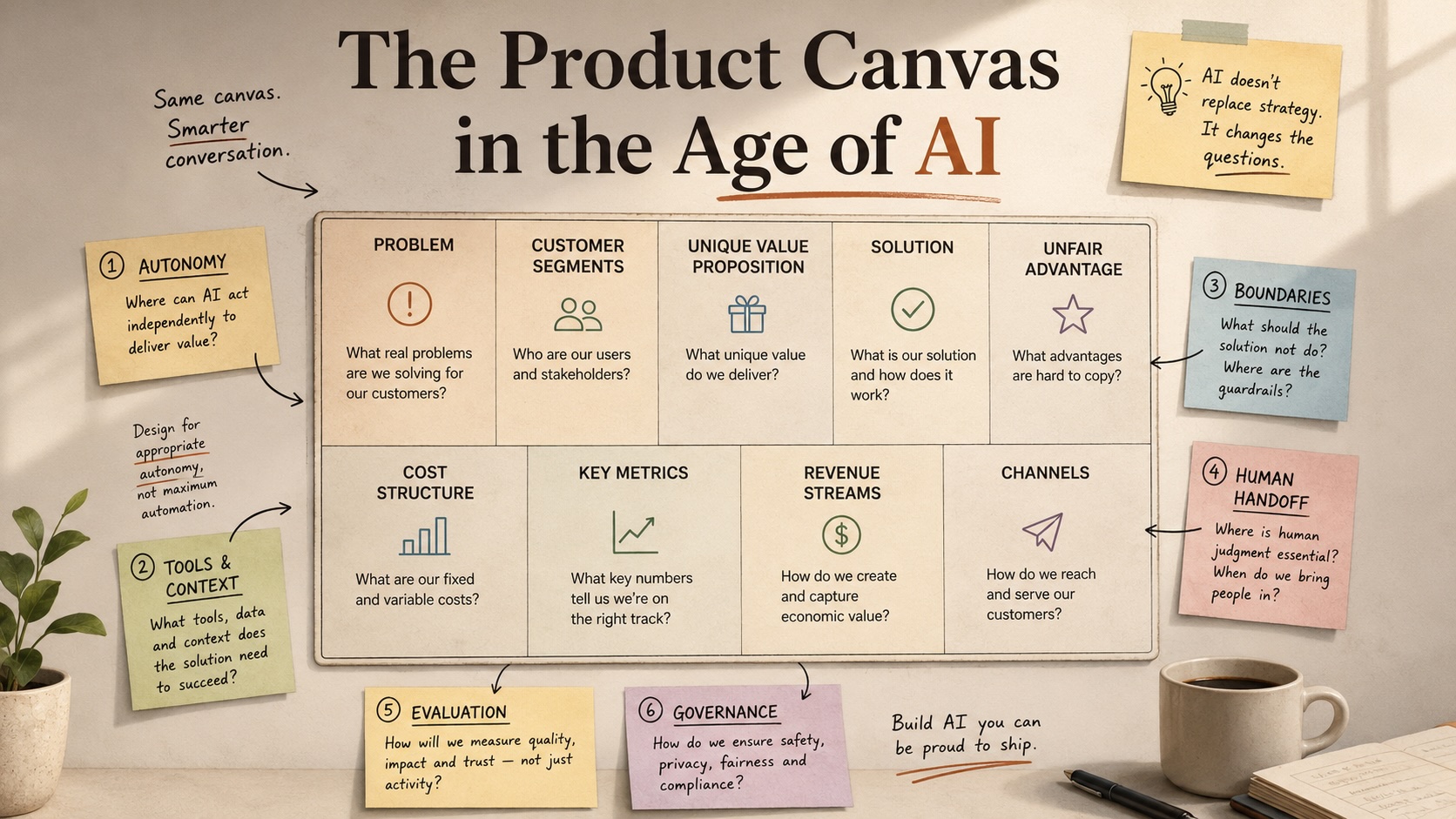
Building got cheap. The thinking that made building worth it didn't get less important. AI agents make the canvas conversation matter more, not less.

When a team says a system is too complicated to change, it usually means the people who understood it are gone, not that it's hard. That's now cheap to check.

The most valuable use of AI isn't generating new code. It's understanding the legacy systems your business already runs on. Why comprehension beats generation.
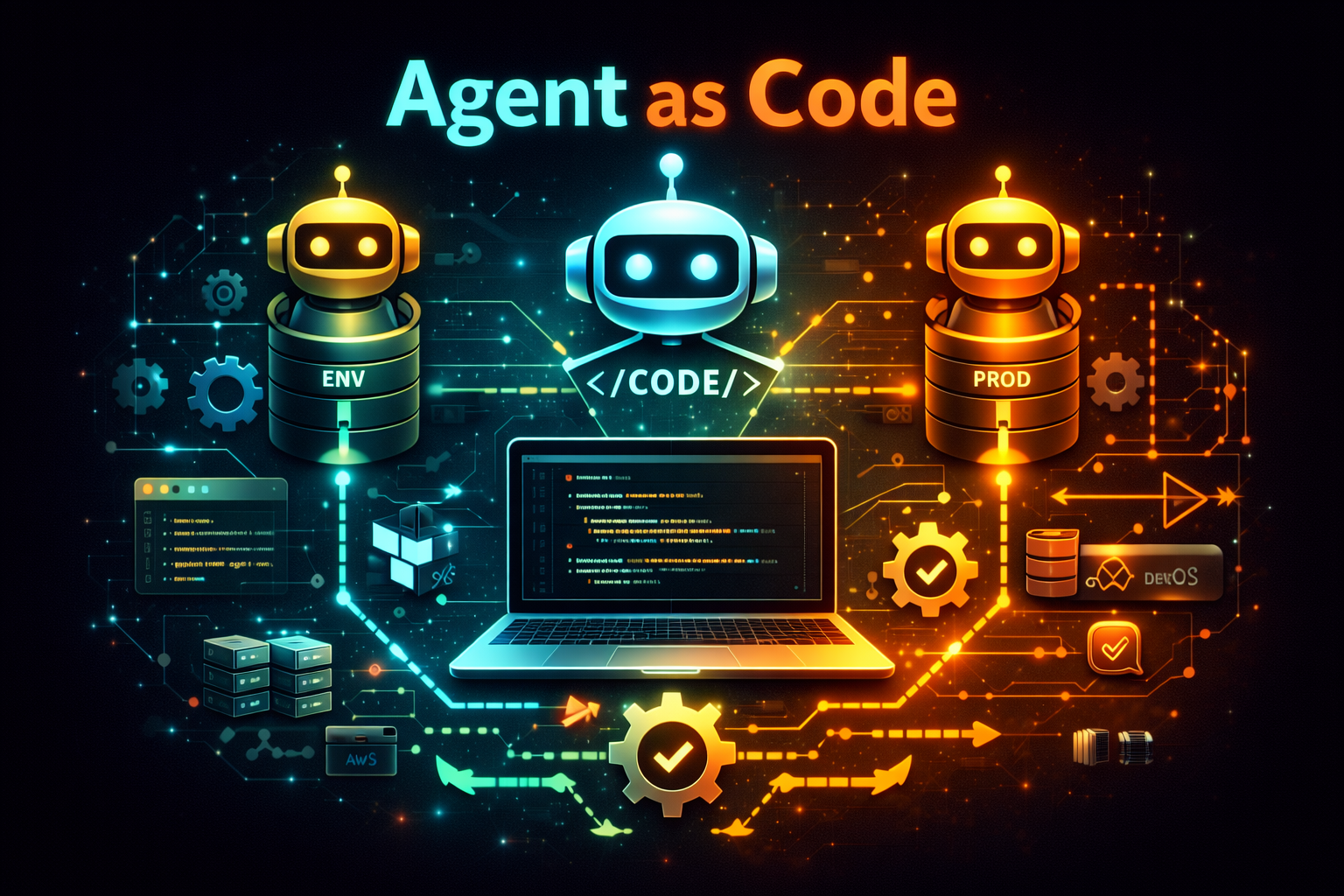
Platforms made it easy to build a first agent. Nobody has solved how to run one in production with the same discipline we apply to software.

You can't govern, defend, or prove value from AI systems you can't account for. Why inventory is the first place enterprise AI governance gets real.
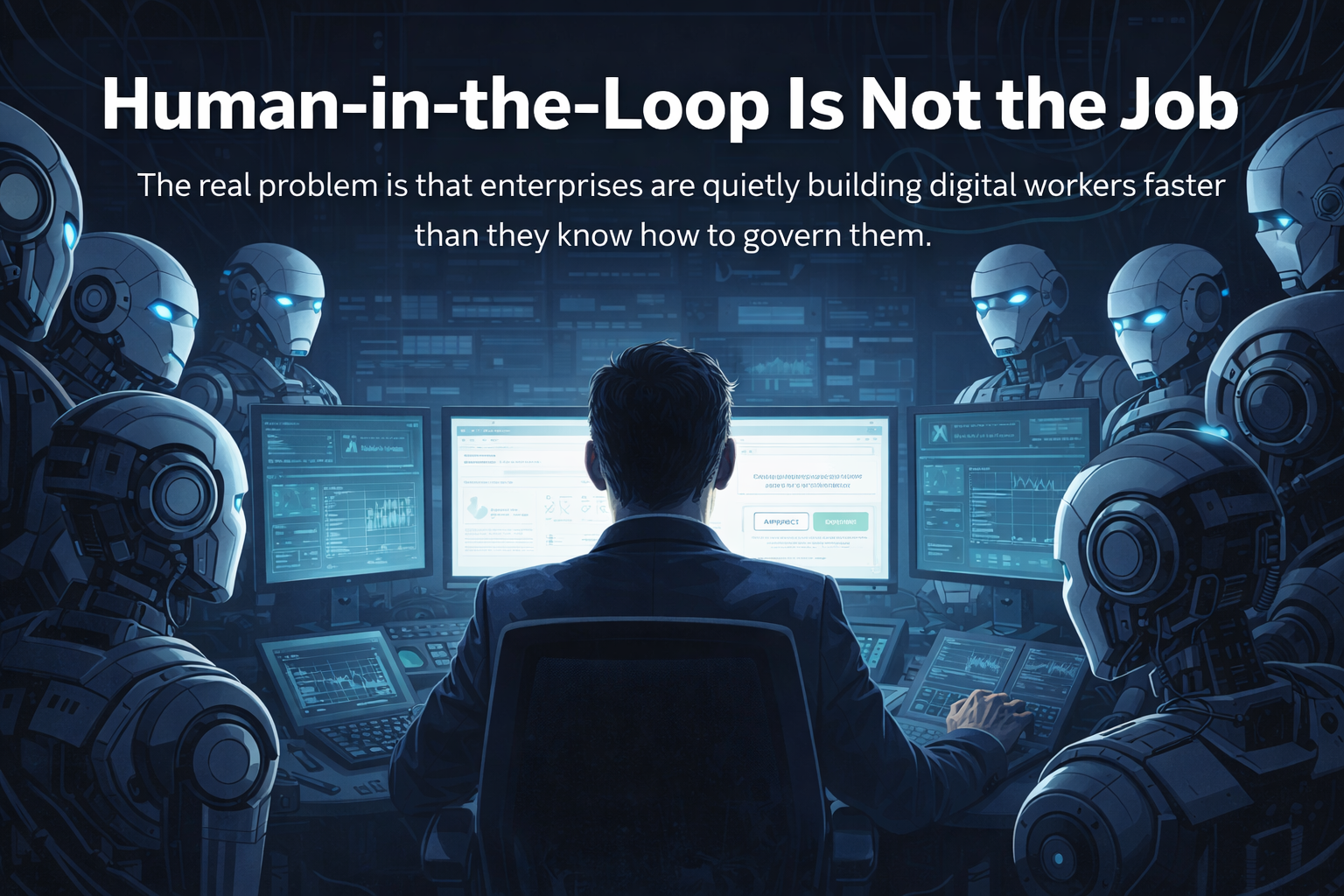
AI agent sprawl is outpacing enterprise governance. Here's why that's a leadership problem — and what the governance stack actually needs to look like.
Most AI initiatives fail not because the technology is immature, but because leaders never asked the right questions. Ten worth asking now.
Agentic AI demos are impressive. But turning them into reliable, sustainable enterprise systems takes more than a prompt and agent builder

Edge AI is moving from IoT devices to developer laptops. Running models locally eliminates latency, outage risk, and cloud costs in day-to-day coding.

AI’s biggest near-term value isn’t automation — it’s acting as a second set of eyes. How personal crowdsourcing is quietly reshaping how we work.
Building AI agents for production takes far more than good prompts. Real agent systems need tools, memory, error handling, and organizational trust.

Enterprises invest heavily in big data and AI but struggle with ROI because most data is inaccessible. A context-driven approach unlocks the value of dark data.

Most organizational data is dark and inaccessible. Enriching captured data with business context is the key to enabling digital workers and automation.